

 01772 675 750
 info@warden.co.uk

Southport Hospital
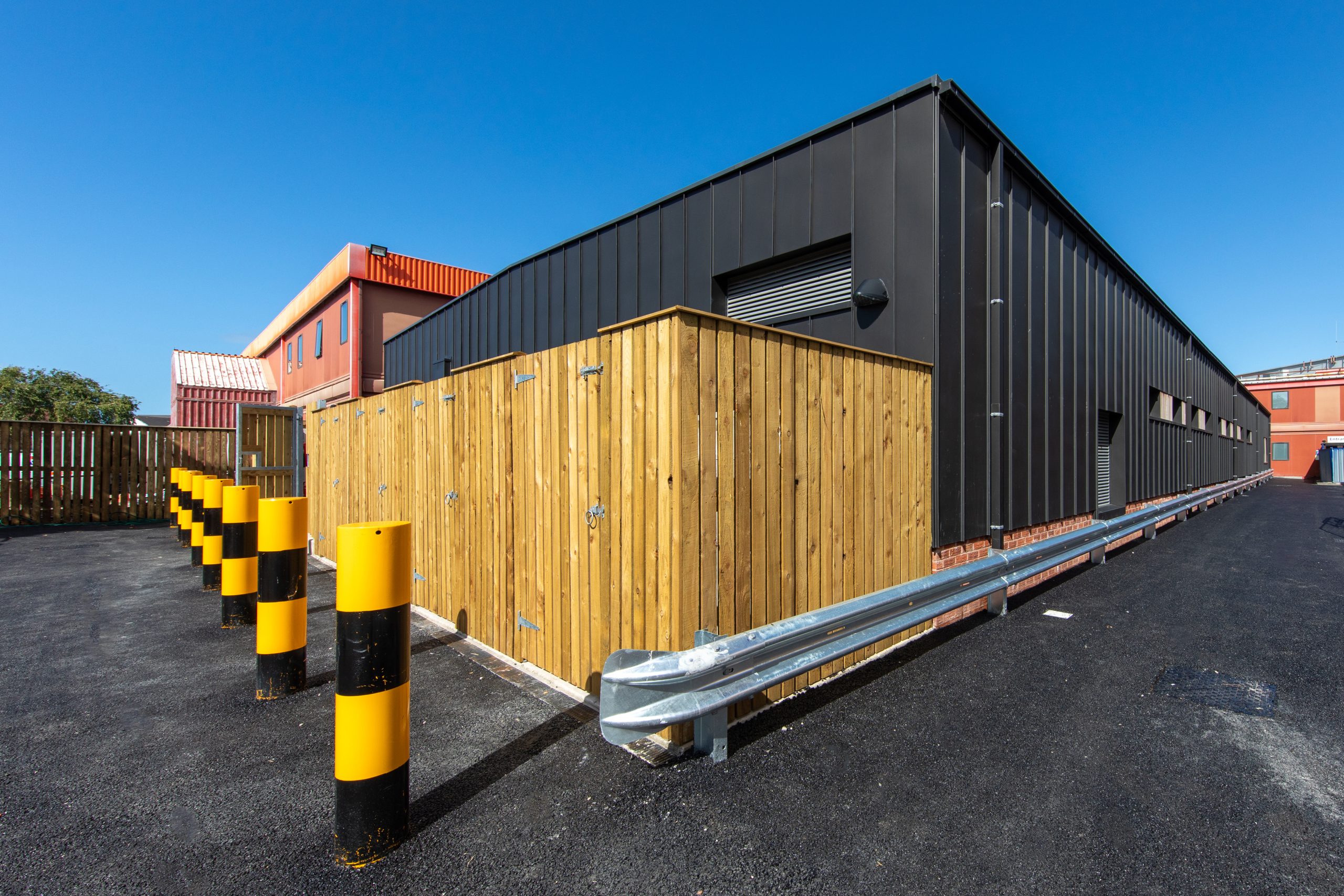
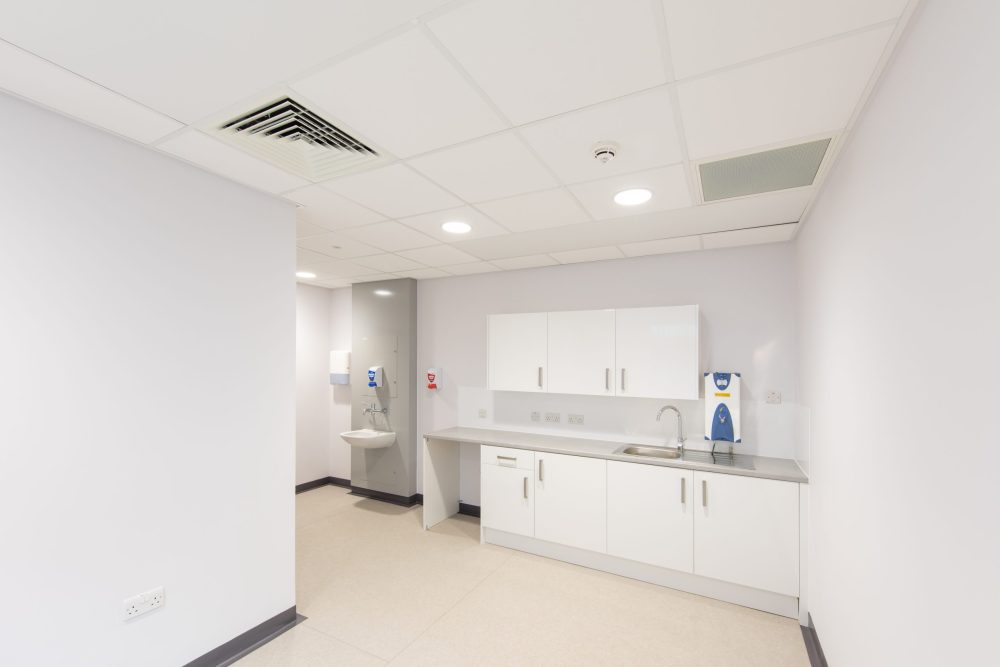
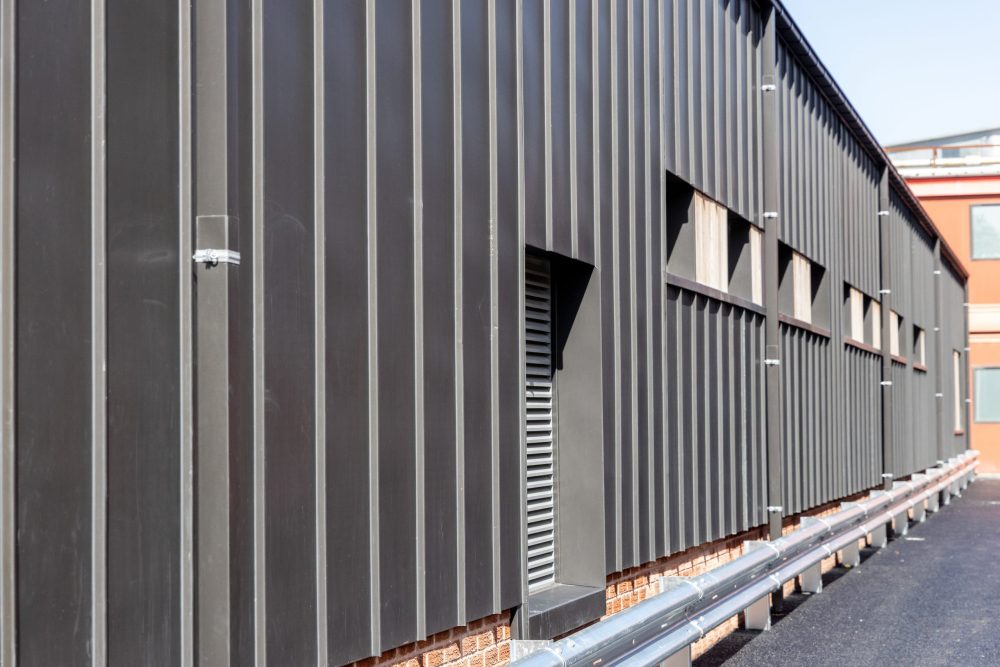
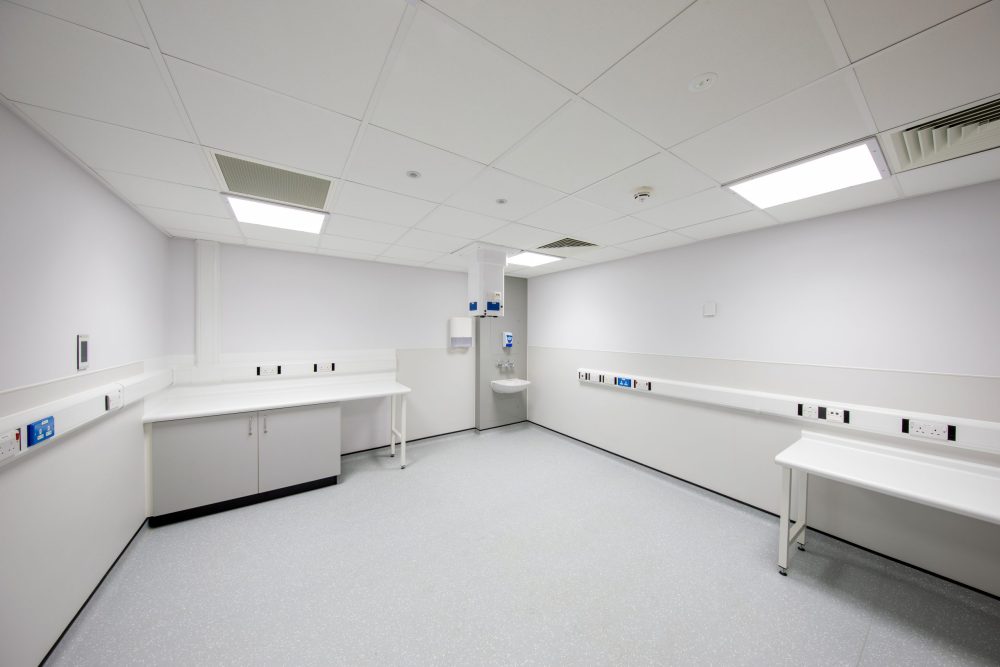
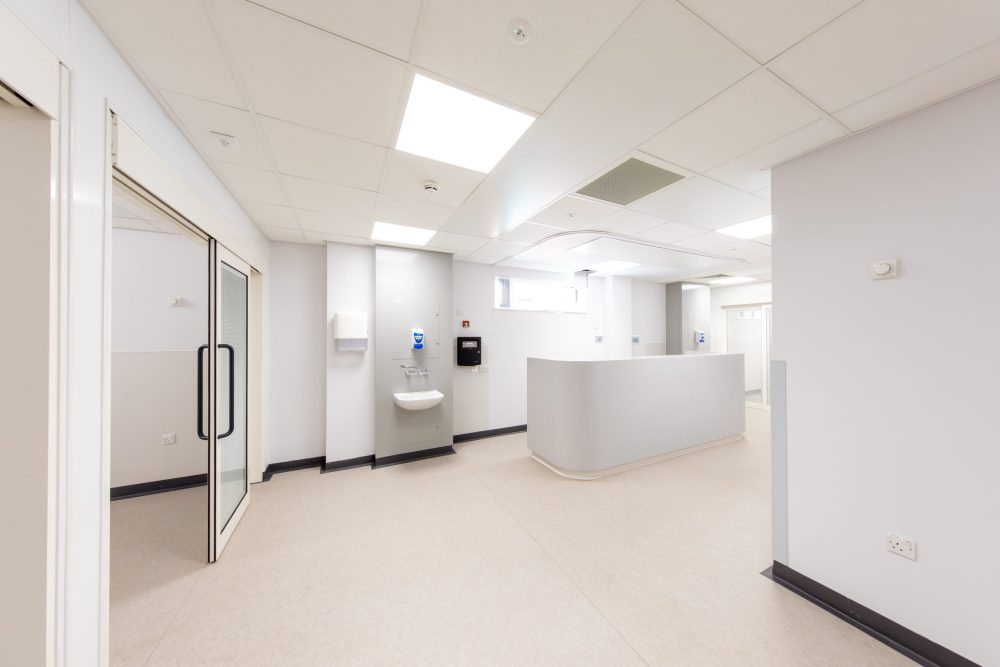
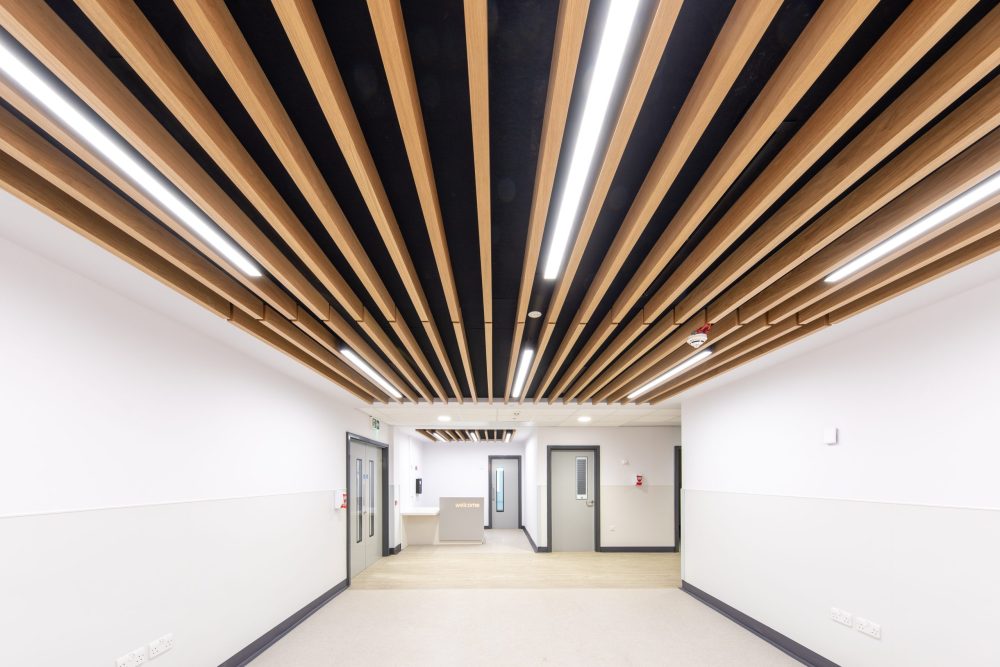
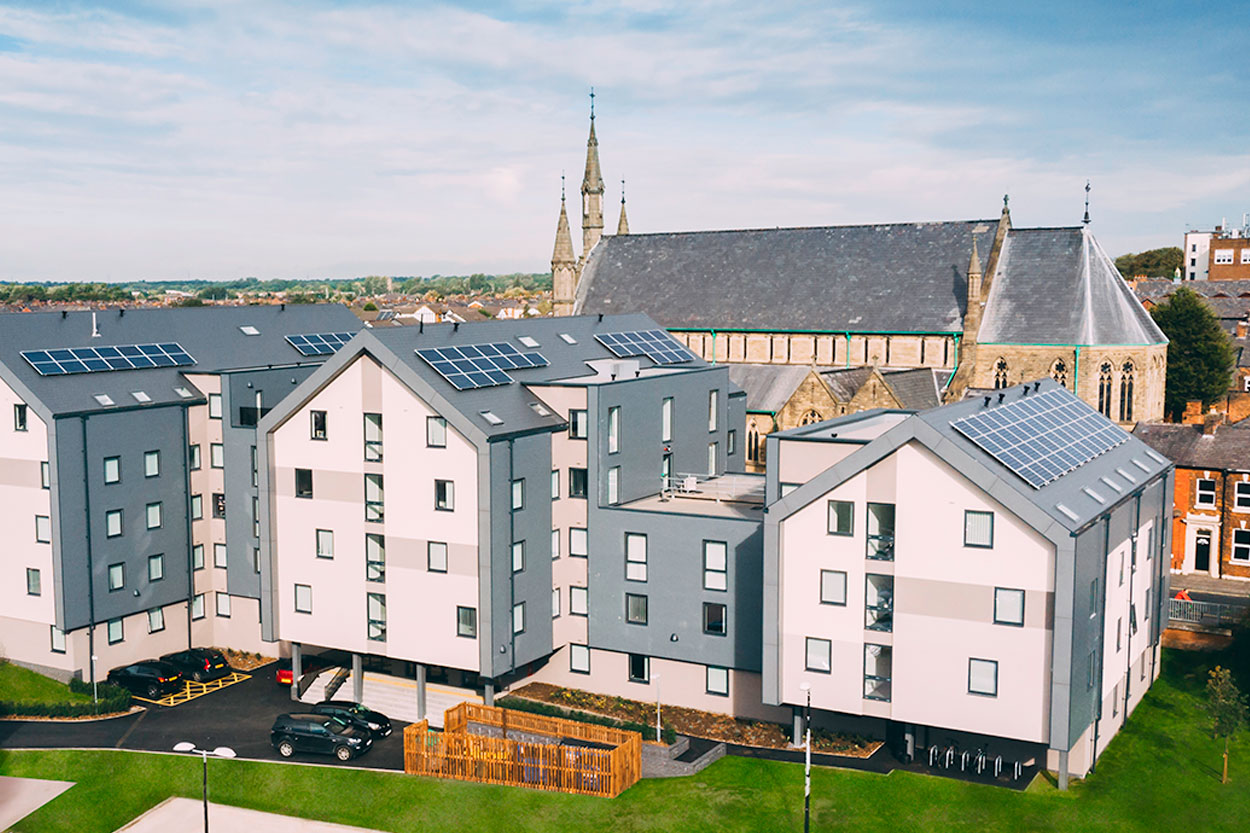
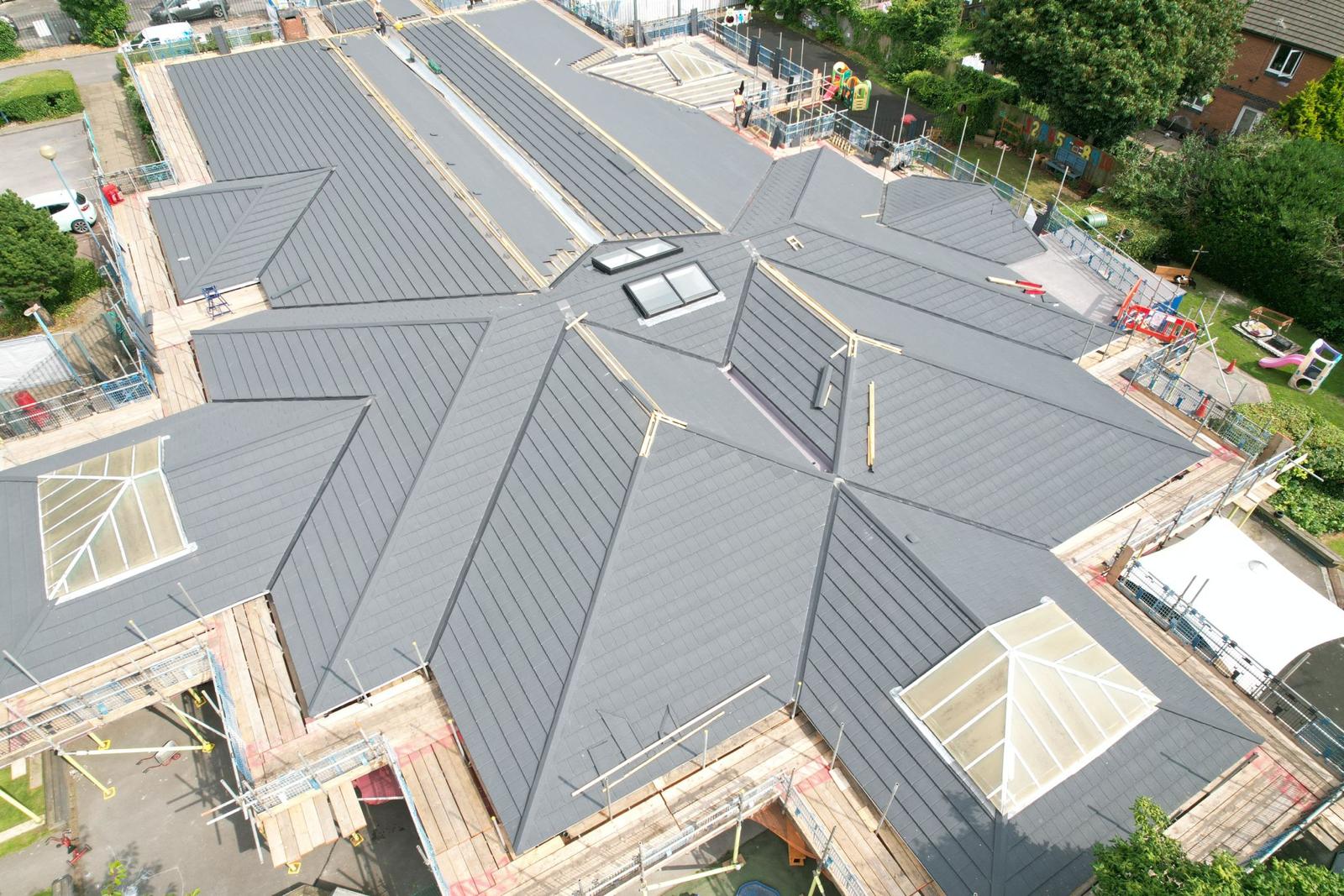
Warden was appointed by Vinci Construction and Mersey and West Lancashire Teaching Hospitals NHS Trust to deliver major improvements to diagnostic and patient facilities at Southport Hospital.
The project involved constructing a new standalone endoscopy unit that would form part of the trust’s wider plan to modernise its estate and enhance the overall experience for patients accessing essential diagnostic services.
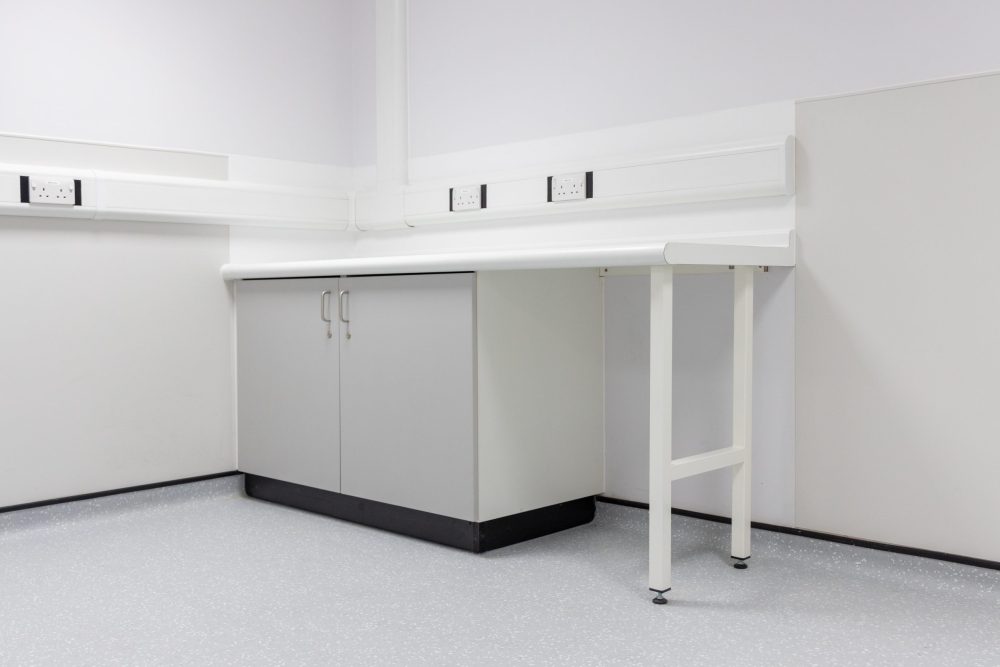
The new endoscopy building provides two modern treatment rooms and eight recovery bays, designed to increase capacity and improve patient comfort.
Integrating the new structure into the existing hospital estate required careful coordination around services, access routes and clinical workflows to ensure seamless operation once opened.
We were required to manage a highly sensitive and tightly constrained live clinical environment. The project site sat directly adjacent to a cluster of critical hospital functions, including executive offices, a live surgical ward and, most notably, the hospital mortuary, which required uninterrupted access at all times.
This placed significant emphasis on logistics planning, access control and maintaining dignified, discreet operations throughout the construction programme.
Because the works bordered active clinical areas, we implemented stringent controls on noise, vibration and dust, using phased activity sequencing, acoustic management strategies and continuous environmental monitoring. This allowed essential diagnostic and surgical services to continue safely, without impact on patient care.
Maintaining infection-control standards was also a key priority, particularly given the proximity to sensitive patient environments and the need to safeguard air quality throughout construction.
The design team, including Ryder Architecture, Steve Hunt Associates and Burrows Graham, collaborated closely with Warden to deliver facilities that meet stringent technical, mechanical and infection-control requirements while remaining functional for busy clinical workflows.
The facilities will help the trust reduce waiting times, increase diagnostic throughput and provide a better experience for patients and staff.


Got a project in mind?
Submit some details using our contact form and one of team will be in touch.
Let's talk